Hair Patch for Men: How Non-Surgical Hair Replacement Works, Costs and Care
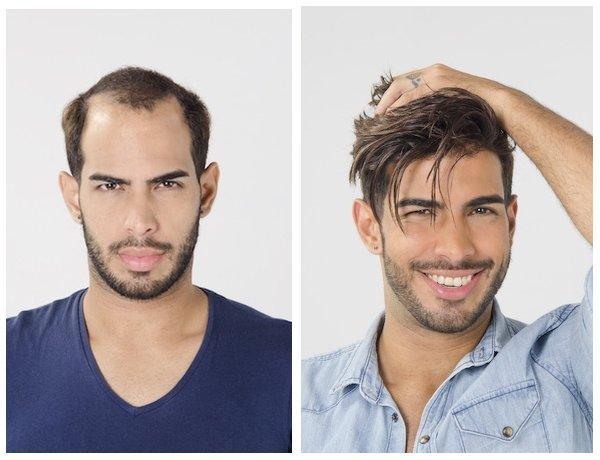
Hair loss affects a large number of men by their thirties and forties, and many women too. Some people are happy to shave their head; others want their hair back. Medicines, PRP and hair transplants are one route. A non-surgical hair replacement system, commonly called a hair patch, is another. It gives an instant, natural-looking result without surgery. This guide explains how hair patches work and what living with one is really like, so you can decide if it is right for you.
First, Understand Why You Are Losing Hair
Before choosing any solution, find out the cause. The most common type is androgenetic alopecia, or male and female pattern hair loss, which is genetic. But hair loss can also be caused by thyroid problems, iron or vitamin deficiencies, stress, illness, crash diets, certain medicines and scalp conditions. Some of these are fully treatable.
We always recommend seeing a dermatologist first, especially if your hair loss is sudden, patchy or happening at a young age. Medical treatments work best when started early, and a doctor can tell you whether you are likely to keep the hair you have.
What Is a Hair Patch?
A hair patch is a thin, custom-cut base with real human hair (or sometimes synthetic hair) attached to it. The base is attached to the shaved thinning area of your scalp with a skin-safe adhesive, tape or, in some cases, clips. Your stylist then cuts and blends the patch hair into your own hair so that the edges are not visible. Done well, it looks like your own hair, and you can shower, sweat and, with the right adhesive, even swim.
Types of Base
- Skin or poly base: a thin, transparent polymer layer that looks like scalp. Very natural at the front hairline and easy to clean, but less breathable in hot weather. Usually lasts 3 to 6 months.
- Lace base (French or Swiss lace): a fine mesh that lets air and sweat through, making it comfortable in Indian summers. Very natural hairline, but more delicate. Usually lasts 4 to 8 months.
- Mono base: a stronger fine fabric that is durable and comfortable. Often combined with a lace front or poly edges. Usually lasts 6 to 12 months.
Many systems combine these, for example a lace front for a natural hairline with poly edges for easier attachment. Your stylist should recommend a base after looking at your hair loss, lifestyle and how much you sweat.
What Maintenance Is Involved?
A hair patch is not a one-time purchase. It needs regular care, and you should plan for this before you start.
- Re-fixing: every 3 to 6 weeks, the patch is removed, cleaned along with your scalp, and re-attached. Your own hair underneath is shaved or trimmed.
- Washing: wash the patch hair two to three times a week with a gentle, sulfate-free shampoo and conditioner, as you would coloured hair.
- Styling: use a heat protectant and low heat. The hair on a patch does not grow back if damaged.
- Replacement: every system eventually wears out. Most people keep two systems so one can be cleaned or replaced without a gap.
Cost to Expect
In India, a good-quality human-hair system typically costs anywhere from around ₹8,000 to ₹30,000 or more, depending on the base type, hair quality, density and whether it is ready-made or custom-made. On top of that, plan for regular re-fixing and cleaning services every few weeks and replacement systems over time. At our hair studio, hair patch systems start from ₹7,999, and we explain the full yearly cost, not just the first fitting, before you decide.
Hair Patch vs Medical Treatment vs Transplant
- Medical treatments (such as minoxidil, finasteride or PRP, prescribed by a doctor): help slow loss and regrow some hair, especially when started early. Results take months and need ongoing use.
- Hair transplant: moves your own hair follicles to thinning areas. It is surgery with a recovery period, depends on having enough donor hair and is a larger one-time cost.
- Hair patch: instant and non-surgical, works even with very advanced hair loss, but needs regular maintenance for as long as you wear it.
These options are not mutually exclusive. Some people use medical treatment to keep their existing hair and a patch for the crown or front.
Is a Hair Patch Right for You?
A patch is a good option if you want an immediate result, are not a candidate for a transplant, do not want surgery or medicines, or have hair loss in a specific area. It is less suitable if you cannot commit to regular maintenance visits, have a sensitive scalp that reacts to adhesives, or have a scalp condition that needs treatment first. A patch test with the adhesive is a good idea if you have sensitive skin.
Tips for a Natural Look
- Choose a hair density similar to your natural hair at your age. Too thick looks fake.
- Ask for a slightly irregular, natural hairline rather than a perfectly straight one.
- Match the colour to your own hair, including any grey.
- Get it cut and blended by a stylist who has experience with hair systems.
Frequently Asked Questions
Can I bath and swim with a hair patch?
Yes, with a strong adhesive or tape you can shower, sweat and swim. Rinse with clean water after swimming and dry the hair gently.
Will people be able to tell I am wearing a hair patch?
A well-chosen, properly fitted and cut system is very hard to notice. The most common giveaways are unnatural density, a hard hairline and a colour mismatch.
Does a hair patch damage my own hair?
It does not cause hair loss when fitted and maintained correctly. Use adhesives suited to your skin and keep the scalp clean between re-fixings.
This article is general information based on our studio experience and is not a substitute for advice from a doctor or dermatologist. If you have a medical condition, allergy or concern, please consult a qualified professional. Read our full disclaimer.
Rishi Verma founded Bombay Beauty & Tattoo in Shajapur and leads the studio's tattoo and hair work. Our guides are written with the studio team from the questions clients ask us every day, and are reviewed by the team member who performs each service. More about our studio.